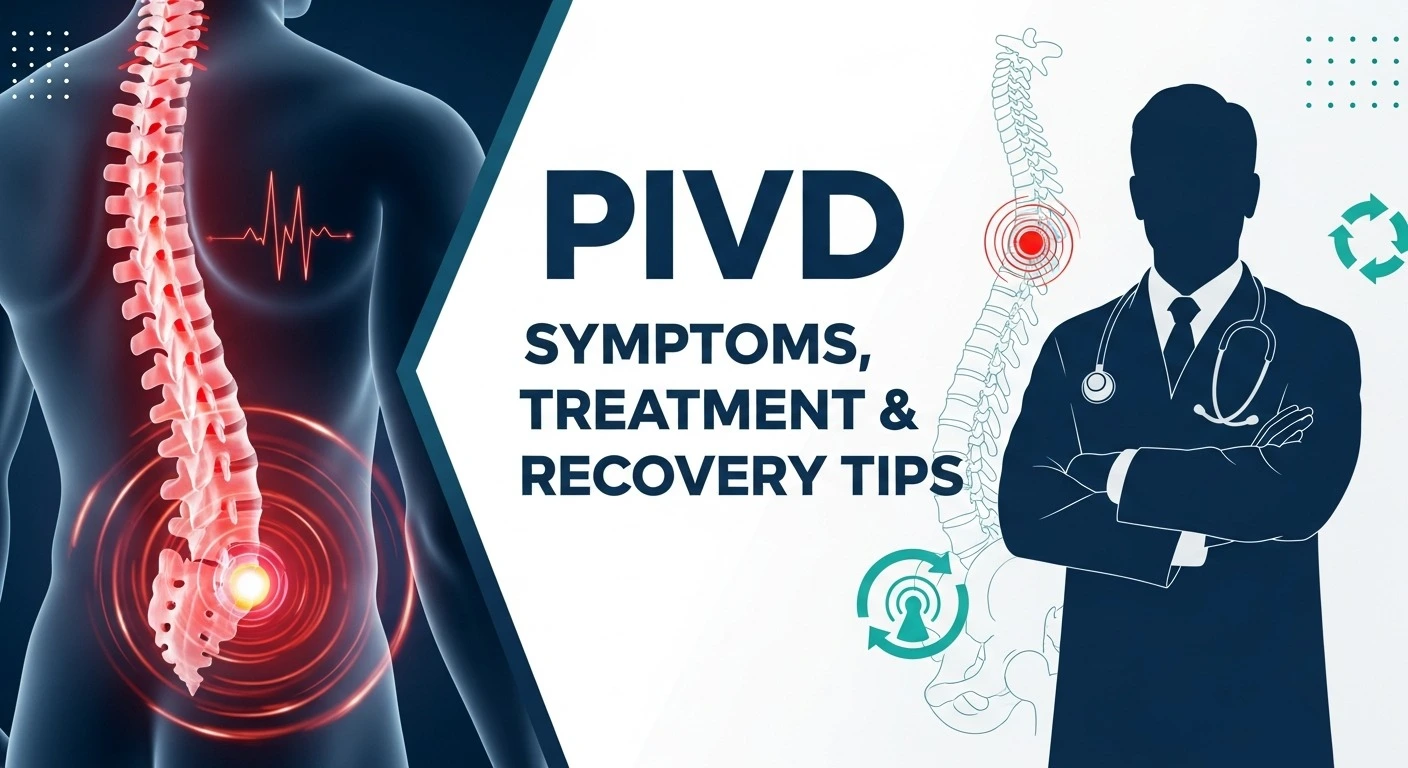
PIVD treatment in Delhi is a crucial concern for patients diagnosed with Prolapsed Intervertebral Disc. Spinal conditions caused by aging, injury, poor posture, or heavy lifting can lead to nerve compression that affects daily activities and long-term spine health.
This blog explains PIVD overview, symptoms, diagnosis methods, treatment options, and recovery tips—helping you plan treatment with clarity and confidence.
📞 For expert consultation and personalized treatment, consult a spine specialist.
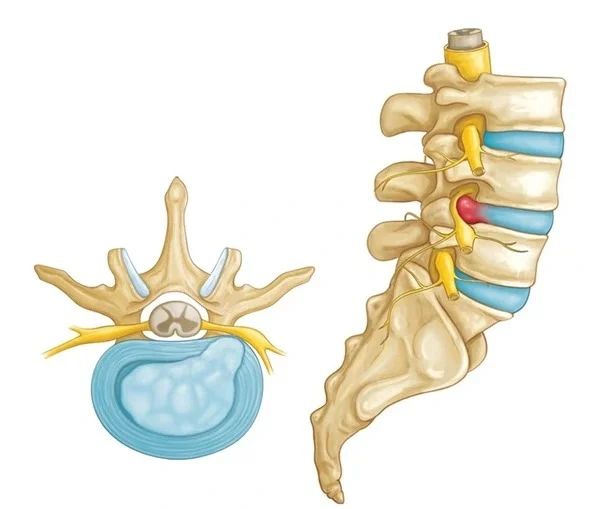
PIVD, or Prolapsed Intervertebral Disc, occurs when the soft cushion between spinal bones bulges or ruptures, pressing on nearby nerves. This can lead to pain, discomfort, and limited mobility.
Discs act as shock absorbers, allowing spine flexibility while protecting the vertebrae. Over time, due to aging, injury, poor posture, or heavy lifting, the outer layer of the disc may weaken, causing the inner gel-like material to protrude—resulting in PIVD.
|
Several factors can increase the risk of developing PIVD:
Early awareness is key for prevention and timely treatment. |
Symptoms vary based on location and severity. Common signs include:
Recognizing symptoms early can help avoid complications and invasive treatments.
Accurate diagnosis ensures effective treatment. Dr. Palash Gupta, a trusted PIVD specialist in Delhi
Proper diagnosis allows personalized treatment plans for each patient.
Many patients respond well to conservative treatment:
Benefits of non-surgical treatment:
Surgery may be needed if conservative treatments fail or if nerve compression is severe. Common procedures include:
Dr. Palash Gupta provides personalized surgical plans using advanced techniques to minimize recovery time.
Recovery requires consistent care:
Proper care enhances long-term spine health and prevents recurrence.
Patients choose Dr. Palash Gupta for his expertise and results:
Choosing the right specialist ensures safe and effective management.
Effective PIVD management combines multiple strategies:
This holistic approach ensures long-lasting relief and prevents future spine problems.
Many patients worsen their condition by:
Avoiding these mistakes ensures effective recovery.
Seek urgent care if you notice:
These may indicate nerve compression or other complications requiring prompt treatment.
1. Can PIVD heal without surgery?
Yes, many cases improve with non-surgical PIVD treatment, including physiotherapy, medications, and lifestyle adjustments. Surgery is only needed for severe or persistent cases.
2. Which exercises help PIVD recovery?
Core strengthening, gentle stretching, and posture correction exercises recommended by a specialist can improve mobility and reduce pain.
3. How long does it take to recover from PIVD surgery?
Recovery depends on the procedure. Minimally invasive surgeries may allow return to daily activities in a few weeks, while more extensive procedures may take a few months.
4. When should I consult a PIVD specialist in Delhi?
If you experience persistent back or neck pain, radiating pain, numbness, or weakness, it's important to consult a specialist like Dr. Palash Gupta early for diagnosis and treatment.
Take the first step toward a pain-free, active life. Book a consultation with Dr. Palash Gupta , a trusted PIVD specialist in Delhi. Receive personalized treatment plans, surgical or non-surgical. Learn home exercises, posture correction, and preventive strategies.
Don't wait for symptoms to worsen. Start your recovery today!
📞 Call/WhatsApp: +91-9899624859
✉️ Email: guptapalash03@gmail.com
📍 Address: D-14/190, Sector-7, Rohini, Opp. Metro Pillar No. 415, Delhi - 110085
🌐 Website:
kneejointsreplacement.com
🕒 Clinic Hours: Monday - Saturday, 10 AM - 6 PM
Same-day appointments available for urgent cases.
Treatments Offered
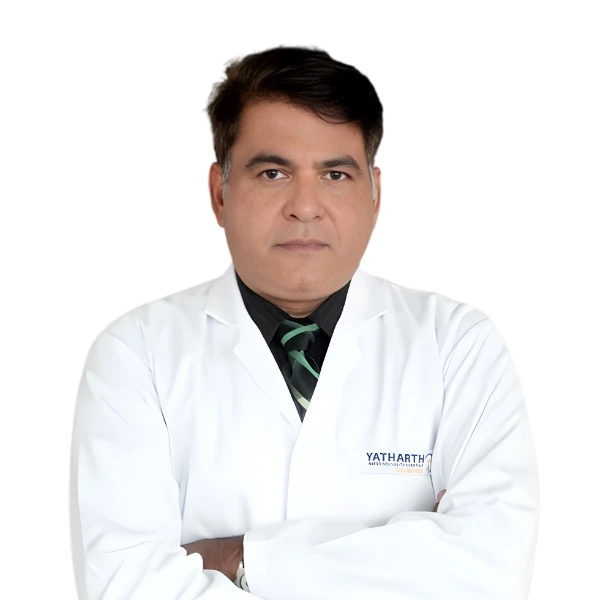
PIVD Specialist
27+ Years of Experience | Advanced Orthopedic Surgeon
MBBS, MS (Orthopaedics), Fellowship
Model Town, Delhi

Copyright © Knee Joints Replacement 2023. All rights reserved. | Designed & Developed by : MS-Solutions


15+ Consultations booked today.
Advanced Robotic Knee Replacement & Joint Care.